
Research shows that chronic stress can reduce serotonin production in the gut. This can lead to a range of issues including irritability, mood swings, low mood, anxiety, and sleep disturbances – check out my better sleep page here – and lead to weight management issues –check out my weight management page here. So, paying attention to your gut health is essential for overall good health and well-being.
Eating well – the balance of mood, food, and wellbeing.
As an integrative psychotherapist I look at the ‘whole person when it comes to helping them with issues such as stress, anxiety, and depression. I have a keen interest in optimum nutrition and have studied the link between emotional wellbeing and a balanced diet.
Diet is not just about managing weight, it is concerned with getting enough of the right nutrients such as essential fatty acids, vitamins, and minerals to promote the efficient functioning of the brain, improve energy levels, enhance quality sleep, and increase hormonal balance, as well as keeping inflammation in check and the body in homeostasis.
Sometimes you can feel an emotion and search for meaning and a story whilst the truth of the matter lies closer to home in the gut-if our microbiome is unsettled, disturbed, or out of balance, we can often feel corresponding emotions such as sadness, low mood, fear even-sometimes referred to as ‘false anxiety’. However, food does play an important part in managing ‘real’ anxiety
I have learnt about this important relationship between the gut and the brain, our food and mood through my mindfulness practice and studying nutrition and as part of my own wellbeing journey and over the next few months I will be sharing some of my discoveries and useful tips to create a well balanced gut biome through reducing sugar and acid to create a more alkaline environment, reducing acidity in the body, thus the risk of increased pain and increased risk of disease. A happy gut also gives a genuine sense of wellbeing and at the same time our immune system is strengthened.
Is there a link between nutrition and anxiety?
Are there foods we should stay away from and foods that we should include plenty of to help manage our anxiety?
Certainly, eating foods that put stress on our physical well-being will have an impact on our mood and increase anxiety. These would include foods high in sugar and saturated fat. Foods that create an acidic inflammatory response in the body also create imbalance in the hormonal systems. Have a look below at some key information:
- There is also increasing research showing a link between vitamin D deficiency and mood disorders such as anxiety.
- Alcohol and caffeine are known to create anxiety responses in the body so reducing these is a simple but effective first step.
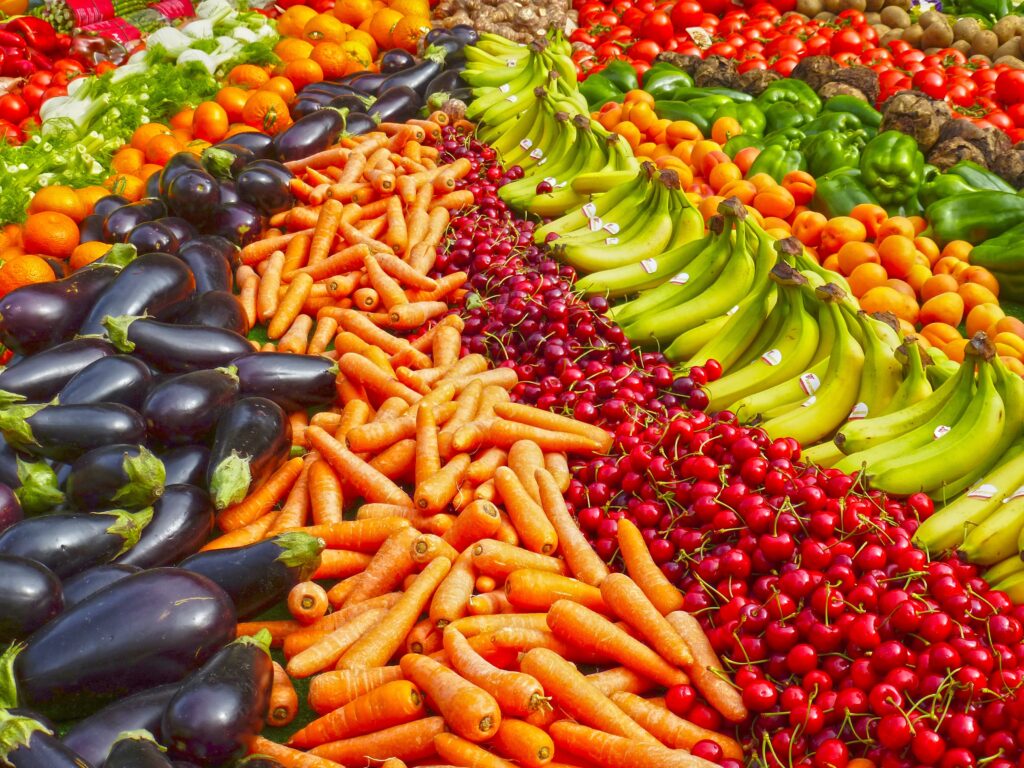
- Eating a well-balanced rainbow (coloured fruit and vegetables) diet rich in alkaline producing foods and nutrient dense complex carbohydrates, fats, and proteins such as fruit, vegetables, nuts and seeds ,lean meat, and fish grains such as Oats and pulses such as lentils help to enrich the body with B vitamins and important mineral such as zinc and magnesium known to support a healthy nervous system and balance hormones.
- Dark chocolate and bananas are a good source of magnesium which promotes pain relief and relaxation.
- Good sources of protein such as lean meat, fish, and nuts and seeds if you eat a predominantly plant -based diet provide amino acids which convert into mood lifting neurotransmitters such as serotonin.
- Camomile is often recommended for calming anxiety
- Turmeric (curcumin) has been studied and shown to reduce anxiety and can be easily incorporated in to soups and smoothies and calming well-being teas.
- Reducing sugar intake can also be helpful. Sugary drinks can give quick energy fixes but then we get the energy dips which can lower mood, or worse keep us awake at night-so swapping a sugary drink with a herbal tea or a soda and a squeeze of lemon can be really helpful in restoring emotional balance.
- As we move into late summer, salads are high on the list of good foods and are great with avocados, nuts and seeds, fish, and lean meats as a way of getting a good range of vitamins and minerals. Going for a range of colours is known as a ‘rainbow diet’ and ensures we get the balance right.
- Also, a colourful plate is much more appealing as we first engage with food through our eyes. So, experiment with a variety of peppers, tomatoes, carrots, beetroot, fresh garlic, radishes, fennel, cucumber, onions, and salad cress …delicious! 😊